Huong Quang Phu Cau Village: A 100-Year-Old Traditional Craft Village Attracting Visitors
Huong Quang Phu Cau Village: A 100-Year-Old Traditional Craft Village Attracting Visitors
Nestled in Ứng Hòa District on the outskirts of Hanoi, Huong Quang Phu Cau Village—locally known as Làng Hương Quảng Phú Cầu—has grown from a small traditional craft village into one of the most photogenic cultural destinations in northern Vietnam. With more than a century of artisanal history, the village is famous not only for producing exquisite incense but also for offering a unique visual spectacle that captivates tourists, photographers, and culture lovers from around the world.
1. Overview of Huong Quang Phu Cau Village
Quang Phu Cau is located approximately 35 kilometers south of Hanoi, making it an ideal stop for travelers seeking an authentic local experience without venturing too far from the city center. The village lies within Cau Bau, Phu Luong, and Quang Phu Cau hamlets, each contributing to the centuries-old incense-making tradition.
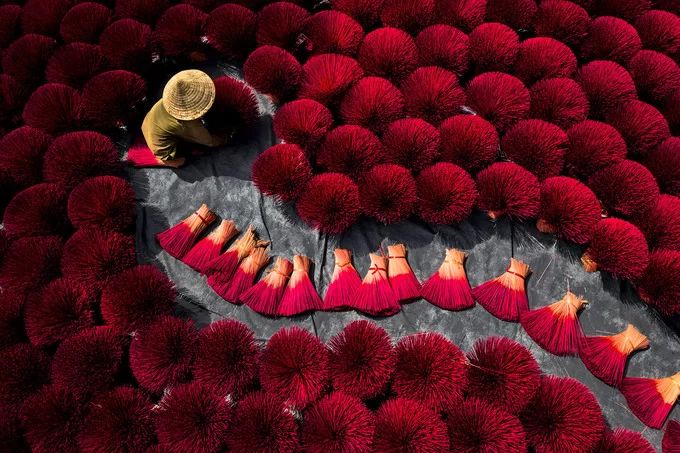
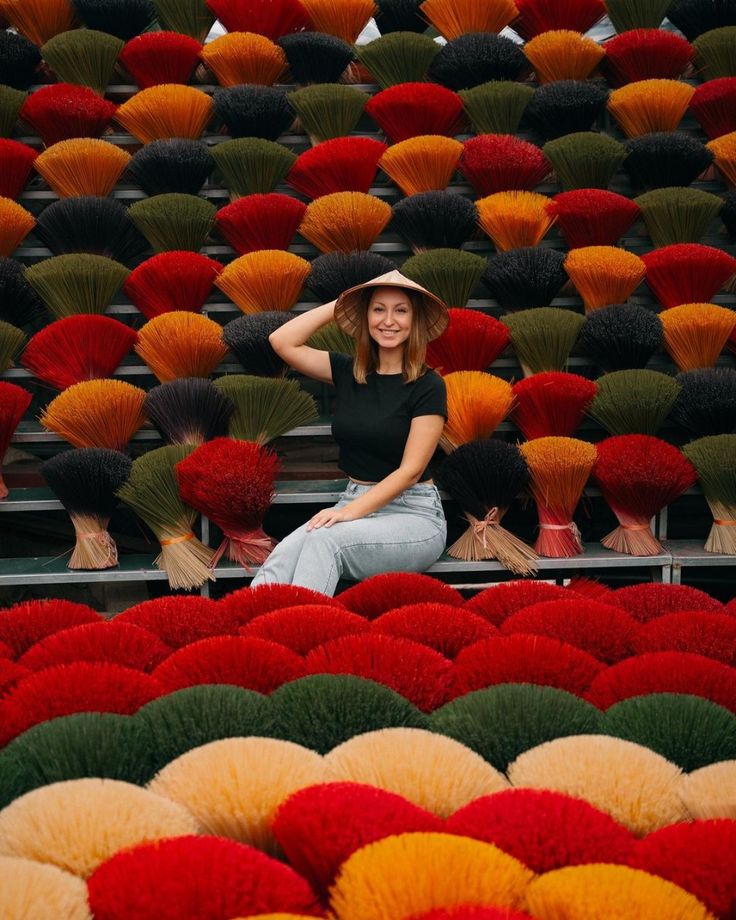
While incense production is a familiar craft in many regions of Vietnam, Quảng Phú Cầu stands out for its scale, craftsmanship, and visually stunning displays. The iconic images of bright red incense sticks fanned out in circular arrangements have become symbolic of northern Vietnam’s traditional beauty, often featured in magazines, travel blogs, and international media.
2. A 100-Year-Old Craft Preserving Vietnamese Tradition
The history of Huong Quang Phu Cau Village reaches back more than 100 years. Generations of artisans have passed down the techniques, ensuring that the village preserves its cultural identity despite changes in modern manufacturing.
2.1. The importance of incense in Vietnamese culture
Incense plays an essential role in Vietnamese spiritual life. It is used in:
-
Ancestral worship
-
Festivals and celebrations
-
Pagodas and temples
-
Lunar New Year traditions
-
Daily spiritual rituals
Because of these deeply rooted customs, incense production remains a respected cultural craft. Quang Phu Cau’s dedication helps preserve this tradition, making the village not only a place of production but also a guardian of spiritual heritage.
2.2. Generational craftsmanship
Many families in the village have been making incense for three to four generations. Children grow up watching their parents and grandparents dye, dry, and shape incense sticks. This long-standing dedication contributes to the exceptional quality and consistency of the village’s products.
3. What Makes Quang Phu Cau Uniquely Attractive to Tourists
Though incense villages exist elsewhere, Quang Phu Cau stands apart thanks to its visually striking beauty, welcoming local community, and authentic workspaces. These elements combine to create an immersive cultural journey.
3.1. Vibrant fields of red incense
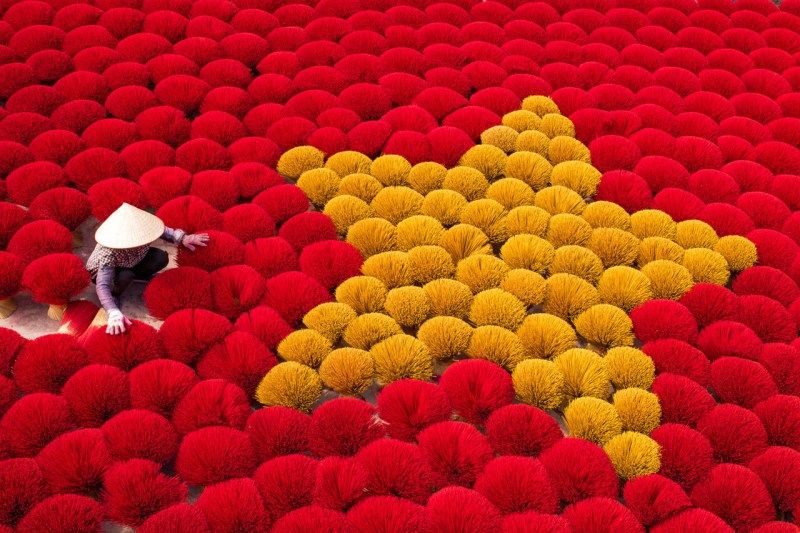
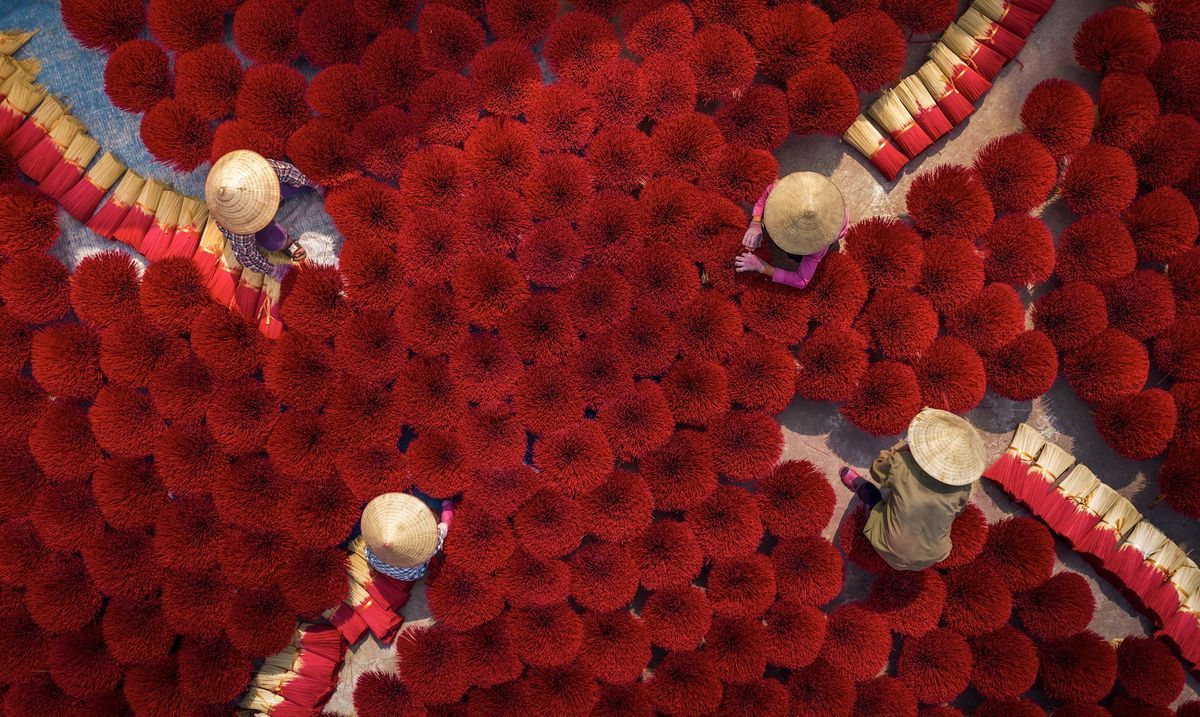
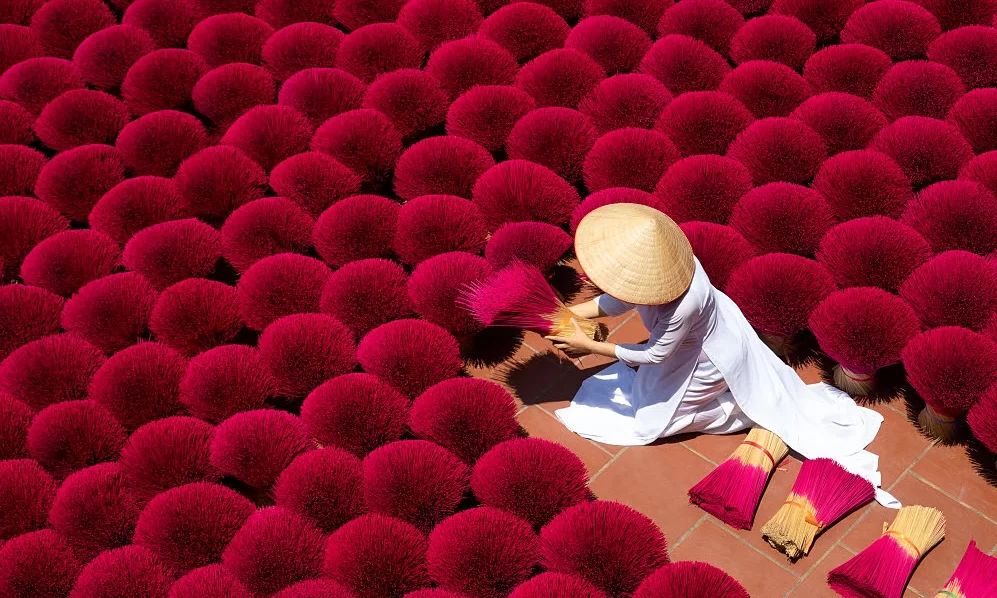
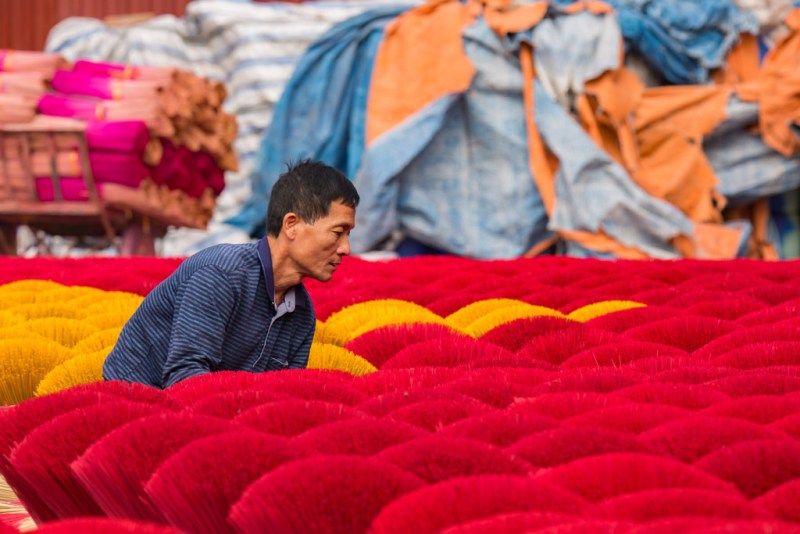
One of the main reasons tourists flock to the village is the spectacular scenes created during the drying process. Artisans arrange thousands of incense sticks in circular clusters resembling red chrysanthemums. When laid out under the sunlight, these formations transform into a surreal carpet of vibrant color, offering ideal backdrops for photography.
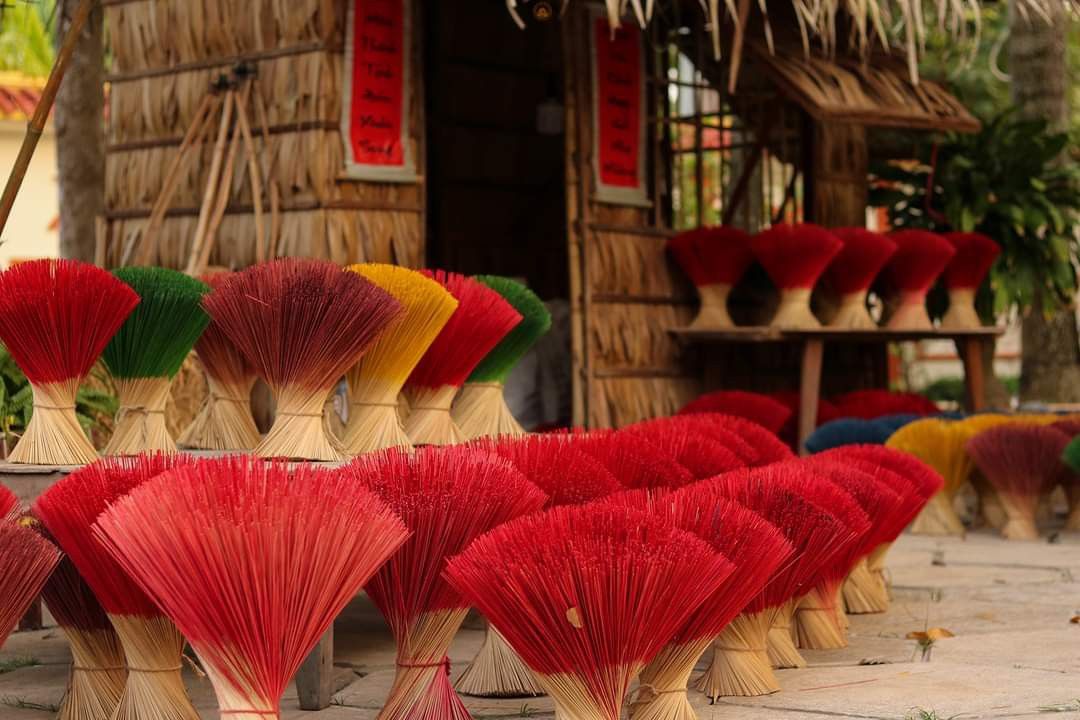
Photographers particularly love the contrast between the vivid red incense heads and the brown bamboo stems—an aesthetic harmony rarely found elsewhere.
3.2. Authentic daily life of craftsmen
Visitors do not simply admire finished products—they witness the entire incense-making process. Artisans are friendly and often allow guests to watch, take photos, or even try simple steps such as:
-
Sorting bamboo sticks
-
Dipping incense heads into dye
-
Spreading incense piles for drying
-
Gathering and bundling finished sticks
This intimacy with the craft offers an educational perspective on Vietnam’s rural traditions.
3.3. Opportunities for cultural and artistic photography
Quang Phu Cau has become a beloved destination for:
-
Professional photographers
-
Travel influencers
-
Filmmakers
-
Couples seeking pre-wedding photo shoots
-
Travelers wanting unique visual memories
The bright, rhythmic patterns of incense sticks create a dreamlike atmosphere ideal for creative compositions.
4. The Incense-Making Process: From Bamboo to Finished Product
The traditional production process is meticulous and requires patience, precision, and skill. Although modern tools are sometimes used today, most steps still rely heavily on human labor.
4.1. Selecting and preparing the bamboo
Craftsmen carefully select high-quality bamboo before slicing it into thin, uniform sticks. The sticks must be smooth and sturdy to ensure they absorb the incense mixture evenly.
4.2. Dyeing and coloring
The iconic red color comes from natural or synthetic dyes. Workers dip the ends of the incense sticks into dye-filled buckets, then let them dry under sunlight. Timing is crucial—the dye must dry evenly without fading, or turning dull.
4.3. Mixing the incense paste
The aromatic mixture typically includes:
-
Sawdust
-
Essential oils
-
Natural herbs
-
Powdered glue from the Re tree
-
Fragrant ingredients like cinnamon or agarwood (depending on orders)
Each family has its own secret recipe, contributing to subtle differences in fragrance.
4.4. Rolling the incense
The incense paste is rolled onto the bamboo sticks by hand or with the help of semi-automatic machines. Consistency is essential—too thick, and the incense burns unevenly; too thin, and it burns too fast.
4.5. Drying the incense
Finally, the sticks are arranged in large circular patterns on open courtyards. This step is what gives Quang Phu Cau its iconic scenery. Sunlight enhances the color, and when hundreds of clusters are laid out at once, the village becomes a giant red mosaic.
5. Best Times to Visit Quang Phu Cau Incense Village
Timing is key if you want the most photogenic experience.
5.1. Ideal time of day
-
Morning (8:00–11:00): The light is soft and perfect for photography.
-
Early afternoon (13:00–15:00): Strong sunlight enhances the vivid red colors.
5.2. Best months of the year
Dry seasons are ideal, typically from October to April, when sunshine is stable and rain is minimal. During this time, the village produces incense most actively, ensuring large drying displays.
5.3. Special festivals
Before Lunar New Year (December–January), production peaks. The entire village becomes filled with fragrant aromas and lively activities, making it the most vibrant season for a visit.
6. How to Get to Quang Phu Cau from Hanoi
Traveling to the village is relatively simple and convenient.
6.1. By motorbike
This is the most popular option among young travelers. The ride takes about 45–60 minutes, offering charming countryside views along the way.
6.2. By car or taxi
A private car or ride-hailing service takes roughly 40 minutes. This is ideal for small groups or families.
6.3. Organized tours
Some travel agencies in Hanoi offer half-day tours, which include:
-
Transportation
-
Guided village tour
-
Photography assistance
-
Cultural explanations
This is the easiest option for foreign visitors looking for a structured experience.
7. What to Expect When Visiting the Village
7.1. No official entrance fee
Most areas are free to explore. However, artisans may politely request a small fee if you take professional photos in specific drying yards. This fee helps support their work.
7.2. Local friendliness
Visitors frequently praise the hospitality of Quang Phu Cau residents. They are welcoming, helpful, and often eager to share stories about their craft.
7.3. Unique souvenirs
You can purchase:
-
Incense bundles
-
Scented sticks
-
Handmade bamboo products
-
Essential oils
These souvenirs are inexpensive and carry meaningful cultural value.
8. Tips for Photographing Quang Phu Cau Like a Pro
If you want truly impressive photos, keep these tips in mind:
8.1. Choose the right clothing
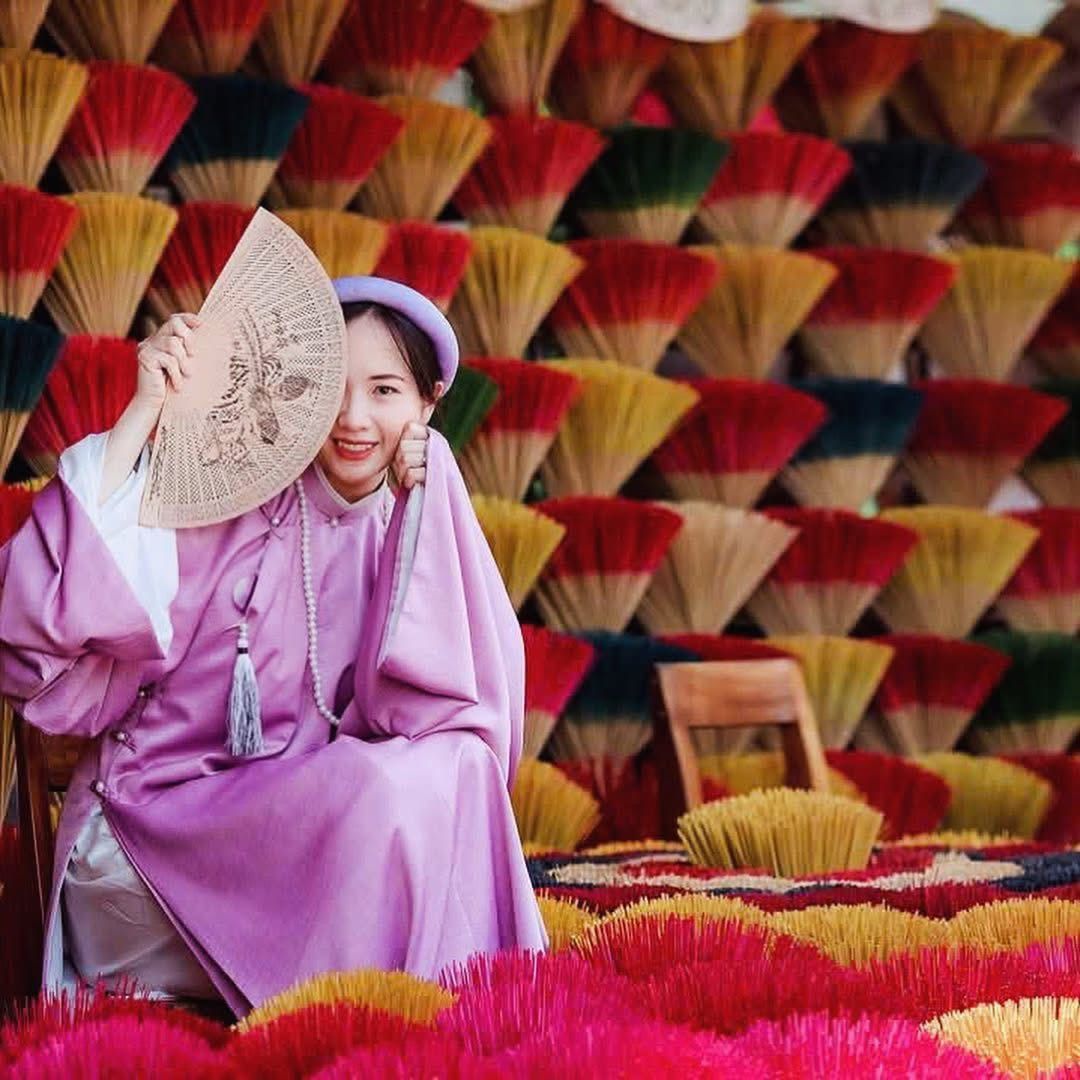
Bright dresses, Vietnamese áo dài, or flowing outfits create striking contrast with the red incense fields.
8.2. Mind the sunlight
Morning or late afternoon light gives the softest tones. Midday light enhances the red color but may create harsh shadows.
8.3. Respect the workers
Ask permission before entering working areas or touching arranged incense clusters. A little courtesy goes a long way.
8.4. Avoid rainy days
Moisture delays the drying process, meaning fewer incense displays.
9. Why Quang Phu Cau Continues to Attract Tourists
Despite its small size, the village has gained international attention. Its appeal stems from a combination of:
-
Cultural authenticity
-
Vibrant visual identity
-
Convenient location near Hanoi
-
Warm local community
-
Unique photo opportunities
In an era of rapid modernization, places like Quang Phu Cau help preserve Vietnam’s cultural soul.
Huong Quang Phu Cau Village is more than a craft village—it is a living museum of history, artistry, and tradition. Whether you’re a photographer seeking extraordinary visuals, a traveler looking for authentic cultural experiences, or simply someone curious about Vietnamese craftsmanship, this 100-year-old incense village offers a journey you won’t forget.
From the mesmerizing red incense fields to the gentle rhythm of local life, every corner of Quảng Phú Cầu tells a story. Visiting the village not only brings beautiful photos but also deepens your appreciation for Vietnam’s enduring heritage.
If you are staying in Hanoi and looking for a unique destination, make sure to place Quang Phu Cau Incense Village at the top of your travel list—its beauty and cultural richness are truly one of a kind.

Ha Long Bay – Majestic Beauty That Captivates Travelers Worldwide

FEELINGS OF BA NA HILL TOURISM FROM A-Z

SELF-GUIDED TRAVEL TO THE WEST (MEKONG DELTA): EXPERIENCE, ITINERARY & COSTS

TOP 10 PLACES IN HOI AN THAT TOURISTS MUST VISIT

TOURIST DESTINATIONS IN SAPA 2025 NEWEST

Moc Chau: The Peaceful Beauty Amid Endless Mustard Flower Fields and Tea Hills

Experience Visiting Cu Chi Tunnels, Famous Monument In Saigon

Where to Travel in December? Top 8 Most Beautiful Destinations in Vietnam!

Discover the Golden Season in Mu Cang Chai

Discover Ha Giang at Year’s End – Cloud Hunting, Early Peach Blossoms & Peak Check-ins

Discover the Flying Sand Dunes of Mui Ne and Phan Thiet Beach – A One-of-a-Kind Travel Combo

Coffee Flower Season in Buon Ma Thuot – A Stunning White Bloom of Vietnam

Mekong Delta Travel During Tet: Floating Markets, Flower Villages and a Simple Spring Atmosphere

Hoi An Lantern Festival – A Cultural Beauty That Captivates Travelers Worldwide

Ha Noi – A Trip to Fully Experience Vietnamese Culture

Hanoi in the Cultural Flow of Vietnam: From Past to Present
Experience Hanoi’s Culture: An Unforgettable Journey for Every Traveler

Exploring Phu Quoc – The Most Beautiful Island Paradise in Vietnam