Ha Noi – A Trip to Fully Experience Vietnamese Culture
From ancient temples and colonial architecture to bustling street markets and time-honored culinary traditions, Ha Noi offers travelers a deep and authentic cultural encounter unlike anywhere else in Vietnam.
Ha Noi – The Cultural Soul of Vietnam
Ha Noi has served as Vietnam’s capital for more than a thousand years. Known historically as Thang Long, the city has witnessed the rise and fall of dynasties, foreign invasions, and periods of transformation that have shaped its unique identity.
What makes Ha Noi special is its ability to preserve cultural values while adapting to modern life. Walking through the city, visitors can easily feel the contrast between old and new—ancient pagodas standing quietly beside modern cafés, and traditional street vendors sharing space with contemporary art galleries.
This balance creates a living cultural museum where Vietnamese traditions are not only displayed but actively practiced every day.
The Old Quarter – Where Tradition Lives On
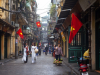
No cultural trip to Ha Noi is complete without exploring the Old Quarter. This historic area, with its narrow streets and centuries-old houses, reflects the city’s traditional lifestyle and trading heritage.
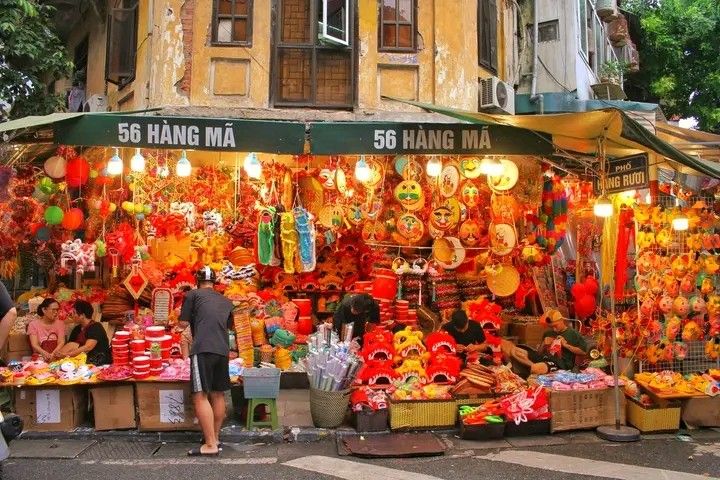
Each street in the Old Quarter was once dedicated to a specific craft or trade, such as silk, silver, or herbal medicine. Today, these streets still carry traces of their original identities, offering visitors insight into traditional Vietnamese craftsmanship and commerce.
Beyond shopping, the Old Quarter is where daily life unfolds in its most authentic form. Locals sip tea on tiny stools, families cook meals behind open doors, and street vendors call out to passersby. This vibrant atmosphere allows visitors to experience Ha Noi not as tourists, but as observers of real Vietnamese life.
Historical Landmarks That Tell Vietnam’s Story
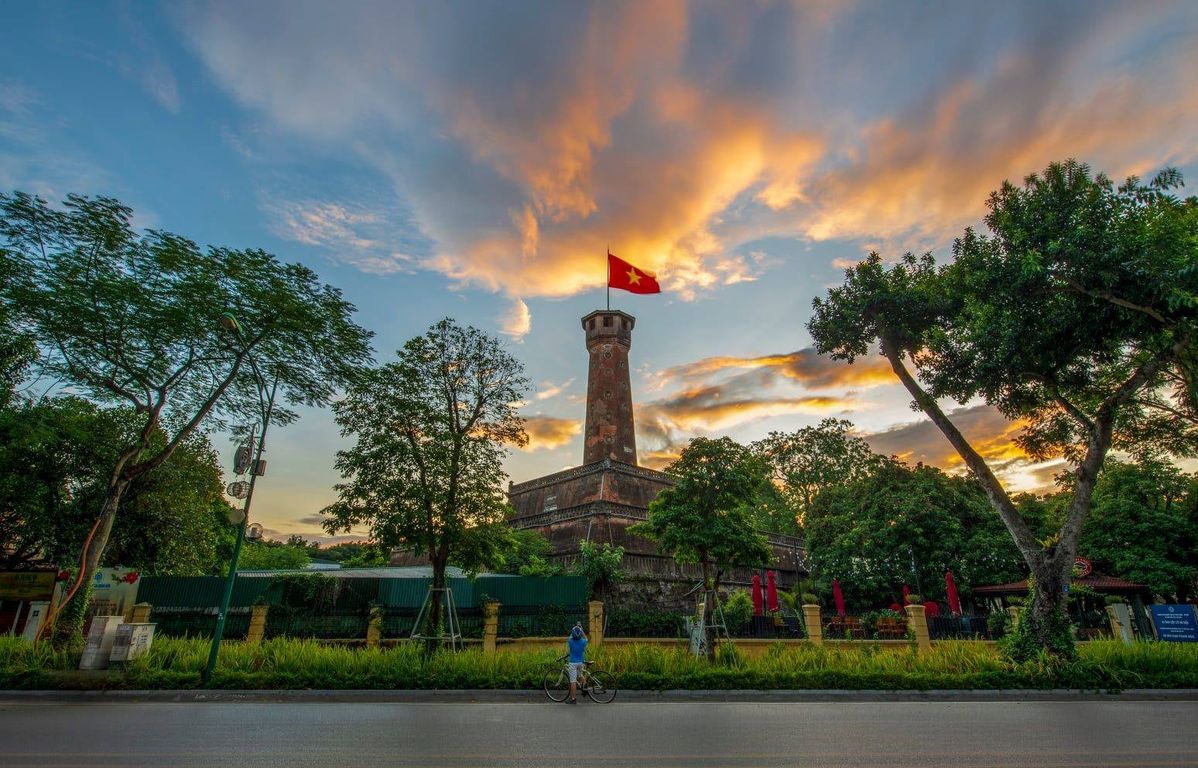
Ha Noi is home to many historical landmarks that reflect the nation’s cultural and political journey.
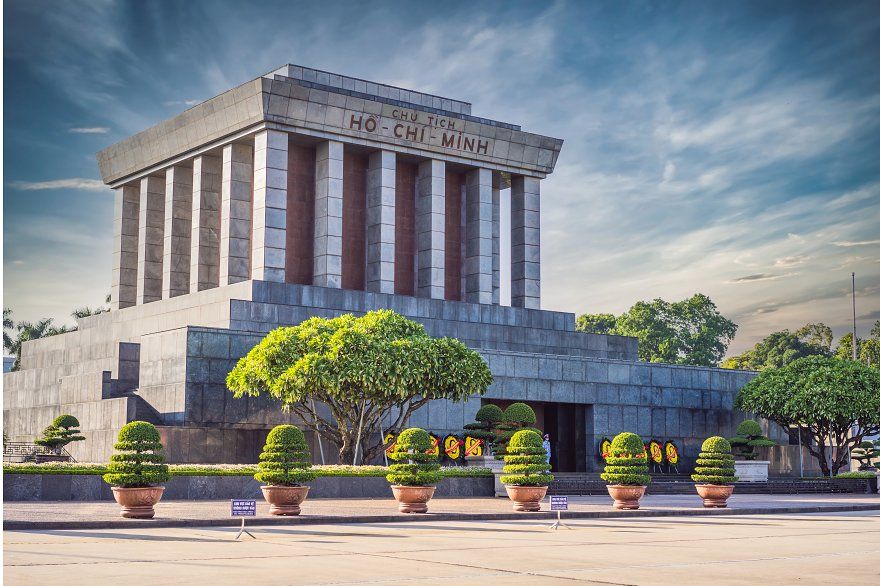
Ho Chi Minh Mausoleum Complex
This important site honors President Ho Chi Minh, a key figure in Vietnam’s modern history. Visiting the complex helps travelers understand Vietnamese values such as respect, unity, and national pride.
Temple of Literature
As Vietnam’s first national university, the Temple of Literature symbolizes the country’s long-standing respect for education and knowledge. Its peaceful courtyards and ancient stone steles offer a glimpse into Confucian influence on Vietnamese culture.
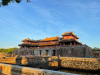
Imperial Citadel of Thang Long
Recognized as a UNESCO World Heritage Site, the Imperial Citadel represents Ha Noi’s royal past and architectural heritage spanning multiple dynasties.
Together, these sites make Ha Noi a destination where history is not hidden in books but visible in everyday surroundings.
Spiritual Life and Traditional Beliefs
Religion and spirituality play an important role in Vietnamese culture, and Ha Noi is filled with temples and pagodas that reflect this spiritual heritage.
Famous sites such as Tran Quoc Pagoda and One Pillar Pagoda showcase Buddhist architecture and religious practices that have existed for centuries. Visitors often see locals offering incense, praying for health, peace, and good fortune—simple rituals that reveal the deep spiritual roots of Vietnamese society.
Experiencing these traditions helps travelers gain a deeper understanding of how culture and belief shape daily life in Ha Noi.
Ha Noi Cuisine – A Cultural Experience on Every Plate
Food is one of the most powerful ways to experience culture, and Ha Noi is considered the culinary capital of Vietnam. The city’s cuisine is known for its balance, subtle flavors, and respect for fresh ingredients.
Iconic Dishes You Must Try
-
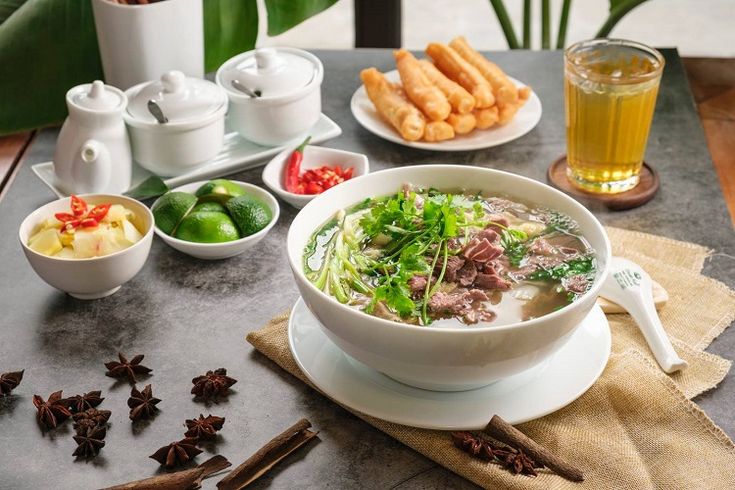
Pho – Vietnam’s most famous noodle soup, originally from Ha Noi
-
Bun Cha – Grilled pork served with rice noodles and herbs
-
Cha Ca – A traditional turmeric fish dish unique to the city
-
Banh Cuon – Steamed rice rolls filled with minced pork and mushrooms
Street food culture in Ha Noi is an experience in itself. Eating on small plastic stools by the roadside may seem simple, but it reflects Vietnamese values of community, sharing, and connection.
Through its cuisine, Ha Noi tells stories of history, regional identity, and family traditions passed down through generations.
Traditional Arts and Cultural Performances
Ha Noi is also a center for traditional Vietnamese arts. One of the most famous cultural performances is water puppetry, an art form that originated in northern Vietnam over 1,000 years ago.
Watching a water puppet show allows visitors to enjoy folk tales, rural life scenes, and traditional music—all performed on water. This unique art form highlights the creativity and agricultural roots of Vietnamese culture.
In addition, Ha Noi hosts many traditional music performances, handicraft villages, and art exhibitions that preserve and celebrate the country’s artistic heritage.
Daily Life and Local Culture
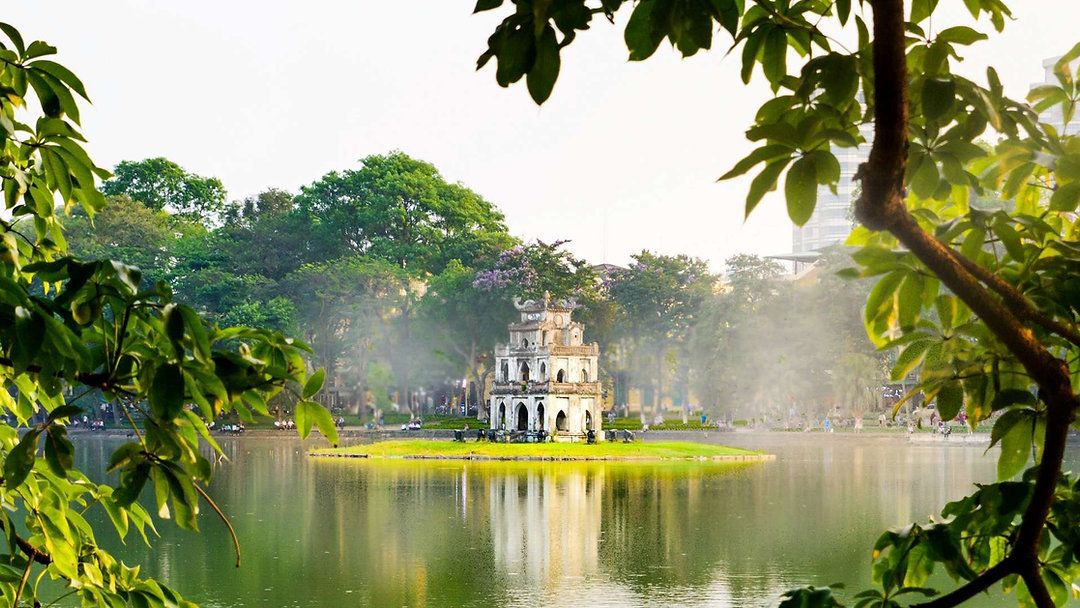
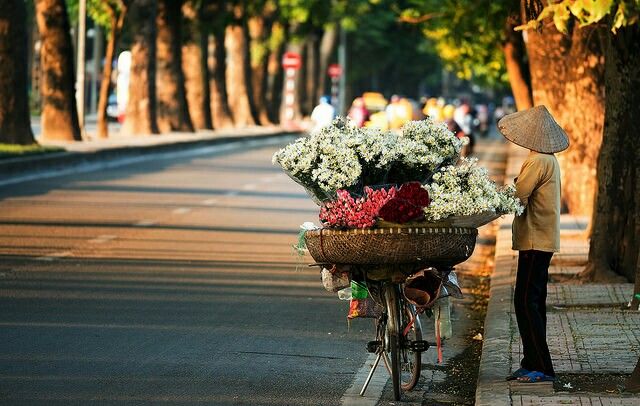
Beyond landmarks and performances, the true charm of Ha Noi lies in everyday life. Early mornings begin with locals practicing tai chi around Hoan Kiem Lake. Elderly residents play chess under banyan trees, while young people gather in cafés to chat and study.
Ha Noi’s café culture deserves special mention. From traditional egg coffee to modern specialty cafés, these spaces reflect how the city blends tradition with contemporary lifestyle.
Spending time observing daily routines offers visitors a genuine cultural experience that cannot be found in guidebooks.
Why Ha Noi Is the Perfect Cultural Destination
What makes Ha Noi a must-visit destination is not just its attractions, but the atmosphere it creates. The city invites travelers to slow down, observe, and truly connect with Vietnamese culture.
Unlike fast-paced tourist hubs, Ha Noi rewards those who take time to explore small alleys, talk to locals, and appreciate subtle details. Every corner tells a story, every meal carries history, and every interaction reflects the warmth of Vietnamese hospitality.
Best Time to Visit Ha Noi for Cultural Experiences
The best time to visit Ha Noi is from March to May and from September to November, when the weather is mild and pleasant. These seasons are ideal for walking tours, outdoor markets, and cultural festivals.
Visiting during traditional holidays such as Tet (Vietnamese Lunar New Year) offers an even deeper cultural immersion, with festive decorations, traditional customs, and family-centered celebrations.
Ha Noi – A Journey Beyond Travel
A trip to Ha Noi is more than sightseeing—it is a journey into the heart of Vietnamese culture. From ancient history and spiritual traditions to vibrant street life and unforgettable cuisine, Ha Noi offers a complete cultural experience that leaves a lasting impression on every traveler.
For those seeking authenticity, depth, and cultural connection, Ha Noi is not just a destination—it is an experience that stays with you long after the journey ends.

Ha Long Bay – Majestic Beauty That Captivates Travelers Worldwide

FEELINGS OF BA NA HILL TOURISM FROM A-Z

SELF-GUIDED TRAVEL TO THE WEST (MEKONG DELTA): EXPERIENCE, ITINERARY & COSTS
TOP 10 PLACES IN HOI AN THAT TOURISTS MUST VISIT

TOURIST DESTINATIONS IN SAPA 2025 NEWEST

Moc Chau: The Peaceful Beauty Amid Endless Mustard Flower Fields and Tea Hills

Experience Visiting Cu Chi Tunnels, Famous Monument In Saigon

Where to Travel in December? Top 8 Most Beautiful Destinations in Vietnam!

Discover the Golden Season in Mu Cang Chai

Discover Ha Giang at Year’s End – Cloud Hunting, Early Peach Blossoms & Peak Check-ins

Huong Quang Phu Cau Village: A 100-Year-Old Traditional Craft Village Attracting Visitors
Discover the Flying Sand Dunes of Mui Ne and Phan Thiet Beach – A One-of-a-Kind Travel Combo

Coffee Flower Season in Buon Ma Thuot – A Stunning White Bloom of Vietnam

Mekong Delta Travel During Tet: Floating Markets, Flower Villages and a Simple Spring Atmosphere

Hoi An Lantern Festival – A Cultural Beauty That Captivates Travelers Worldwide
Hanoi in the Cultural Flow of Vietnam: From Past to Present
Experience Hanoi’s Culture: An Unforgettable Journey for Every Traveler

Exploring Phu Quoc – The Most Beautiful Island Paradise in Vietnam